

Okay, so check this out—I’ve been fiddling with DeFi wallets for years, testing extensions in messy browsers and on different chains. Wow! Some days felt like triage. My instinct said there had to be a better middle ground between security and convenience, and that itch finally pushed me to try a multi-chain browser wallet seriously. Initially I thought one wallet per chain was fine, but then realized the UX cost was huge and my mental overhead went through the roof.
Here’s the thing. Managing assets across Ethereum, BSC, Polygon and a couple of newer L2s used to feel like juggling. Seriously? It was. I would hop tabs, log into multiple extensions, mentally track nonce clashes, and then—oops—forget which account had approvals floating around. My head hurt. On one hand, the idea of isolating wallets feels safer; though actually, the friction often led to riskier shortcuts, like reusing the same account everywhere or approving unnecessary permissions because I was in a hurry.
So I started looking for a browser extension that could handle many chains without turning my browser into a fragile museum of keys and approvals. Hmm… what I wanted was simple: clear gas estimates, intuitive account switching, transaction previewing, and the option to connect a hardware key for big moves. I wanted smart defaults, not some cryptic power-user interface that assumes you studied gas mechanics in grad school.
What a multi-chain extension should actually do
Short answer: reduce cognitive load. Long answer: it should let you see which network you’re on, preview what a smart contract call will do, and avoid accidental mainnet gas bombs. My gut feeling told me that too many wallets treat networks as afterthoughts, which is silly because network context changes everything—token balances, approvals, even which tokens are valid. I’ve used wallets that hide critical info behind tiny icons and it always felt like playing whack-a-mole while blindfolded.
When I evaluated extensions I checked four things. First, account isolation and clear labeling so I wouldn’t mistake one account for another. Second, transaction clarity—does the wallet tell you what a contract call will change, and does it simulate potential outcomes? Third, hardware wallet support for cold-key protection when moving large sums. Fourth, multi-chain UX—fast chain switching without losing approvals or confusing tokens. Each of those matters, though in different ways depending on how deep you go into DeFi.
I’ll be honest: interface design matters more than people think. A clear warning about token approvals prevented me from accidentally granting an unlimited allowance to a low-liquidity DEX. That part bugs me about so many wallets; they bury that control. On the other hand, I like when a wallet offers transaction annotations—like showing which contract you’re interacting with and why it needs that gas amount—because it reduces mistakes without being obnoxiously pedantic.
My instinct said focus on these practical protections first, and the rest will follow. Something felt off about wallets that emphasized flashy swapping UI over the safety basics. Initially I chased fancy integrations; then I realized I needed the fundamentals nailed.
Why Rabby (and how I found the build)
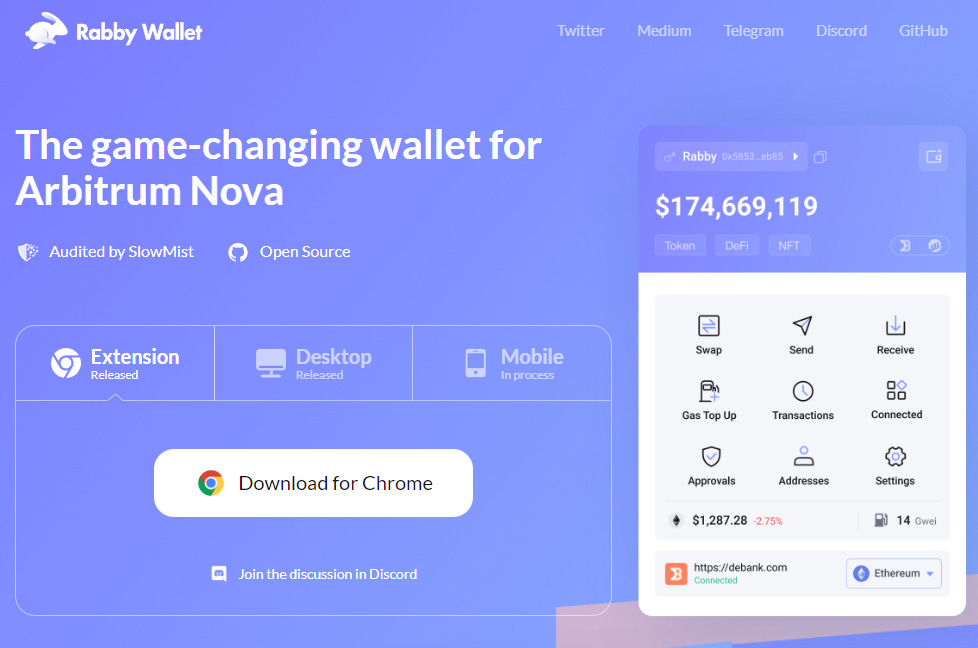
Okay, not a shill—I’ve tried a lot. Rabby stood out because it balanced clarity and multi-chain support without making things cryptic. Whoa! It handled multiple chains cleanly and let me label accounts in a way that stuck. I liked that it made transaction previews readable. Seriously?
If you’re curious and want to try it, here’s a straightforward place to get started: rabby wallet download. I dropped into a few US-based forums and a Silicon Valley meetup where folks were praising the same things—ease of use, clearer approvals, and a sensible multi-chain flow—so that matched my experience. (oh, and by the way… I kept a small test balance while trying new features, which saved me from dumb mistakes.)
On the technical side, a good extension shouldn’t be a single point of failure. I paired Rabby with a hardware wallet for my long-term holdings and used the extension for active trading and swaps. That compromise felt right. It gave me the speed of an extension with the safety of cold storage for the heavy stuff. Not perfect, but pragmatic.
Real tradeoffs—because nothing is free
Multi-chain convenience introduces complexity. If your wallet auto-adds networks, you might accidentally expose tokens you didn’t want visible. Also, every added chain increases the attack surface. My head was tugged between convenience and minimalism—on one hand I want everything accessible, though actually, exposing too much invited mistakes. Initially I thought “more is better,” but then I noticed that the more chains visible, the more I had to double-check every action.
Here’s a practical habit I recommend: keep one “hot” account for daily interactions and a separate “vault” that only connects via your hardware key. It splits risk. Also, periodically revoke allowances you don’t use; it’s tedious but very very effective. I set calendar reminders—yes, a calendar—and it helped.
Another annoyance: browser extension vulnerabilities. Some wallets sandbox better than others. I can’t promise anything is bulletproof, and I’m not 100% sure on long-term security guarantees for any single product, but opting for a wallet that prioritizes clear transaction previews and hardware integration reduces the number of catastrophic mistakes you can make while surfing DeFi.
FAQ
Is a multi-chain extension safe for everyday DeFi?
Short answer: yes, with precautions. Use a hardware wallet for large holdings, keep a small hot wallet for active swaps, and always read transaction previews. Also, regularly revoke token approvals you don’t need. My experience showed this combo reduces risk significantly.
What if I use many chains—does it get confusing?
It can. Label accounts clearly, limit the number of networks you display, and use the wallet’s native features to track balances. Initially I had too many chains visible, and it led to mistakes, so I cleaned house and it helped a lot.
Can I trust browser extensions with large sums?
Not without extra steps. For large sums, use a hardware wallet and keep the extension for smaller, frequent actions. Also, keep your browser updated and avoid installing sketchy add-ons that could tamper with extension behavior. I’m biased toward caution here—wallets are tools, not silver bullets.
Alright—closing thought (but not a tidied-up summary, because that’d be boring). Multi-chain browser wallets close a real gap in DeFi: they make cross-chain experiences sane. My instinct said the right balance would be hard. Actually, wait—it’s achievable if you pick a wallet that emphasizes clear transactions, easy hardware integration, and sensible defaults. Try small, test often, and don’t trust convenience more than your gut. Hmm… that’s where I ended up, and it works for me, even if it’s not perfect.